Table Of Content
She believes news of clinical studies showing possible health benefits from micro-dosing mushrooms is pushing more recreational use of the drug. “For an ounce of mushrooms, they can go from a couple of hundred to a couple of thousand dollars,” Romero said. Police say neighbors had complained for months about the unassuming house on Seabright Lane. Police say they found an illegal mushroom operation hidden in a neighborhood and even worse, they say, small children lived in the house.
Step 4: Chill your mushrooms down.
Cut slits in the bag so the oyster mushrooms can grow through them. The incubation stage is a critical part of the mushroom growing process, as it lays the foundation for the growth and development of the mushrooms. By maintaining the proper conditions and monitoring the substrate closely, you can ensure a healthy and successful crop of mushrooms.
What to Do with Your Home-Grown Mushrooms
Island 'mushroom nerds' selling locally prepared at-home grow kits - CBC.ca
Island 'mushroom nerds' selling locally prepared at-home grow kits.
Posted: Sun, 21 Jan 2024 08:00:00 GMT [source]
If you decide to grow mushrooms in your basement, putting them in a closet where they won't be disturbed might be best. Some mushroom types still grow best outdoors in prepared ground or logs, a much longer process (six months to three years) than in controlled environments inside. Grow kits produce edible mushrooms after anywhere from a few days to a week-plus.
About This Article
How to Grow Exotic Mushrooms at Home? Startup's Kit Helps Get Started in Just 10 Days - The Better India
How to Grow Exotic Mushrooms at Home? Startup's Kit Helps Get Started in Just 10 Days.
Posted: Wed, 10 Apr 2024 11:44:10 GMT [source]
Then just open the top a couple times a day to allow more fresh air in. Take the small bag of rye grain covered in white mycelium and sprinkle it into a much larger substrate (normally around 10% added spawn in comparison to the amount of substrate). Or you could just fruit the rye grain but you wont have as good of yields (amount and size of mushrooms that grow). Now that you have decided on the mushroom you want to use and have sourced your spores or mycelium, you will need to decide on the substrate (growing medium) you want to use. When you mix the spawn with the substrate, mushroom growth is vigorous, and harvests are plentiful. A humid environment is an essential component for the success of growing mushrooms, especially when you reach that final fruiting stage.
What is the best resource to learn more about mushrooms?
Fill the tray or container with your substrate, and then spread the spawn on top. Cover the spawn with another inch or so of the substrate you're using. Use 14x16-inch trays about six inches deep that resemble seed flats. Fill the trays with the mushroom compost material and sprinkle spawn on top.
If the manure is fresh, pile it into a heap and fork it over to mix well every couple of days for a fortnight until the heap has cooled and settled. While growing mushrooms requires a bit of patience and attention to detail, it’s also a fun and exciting way to learn about the natural world and cultivate your own food. Whether you’re a seasoned gardener or just starting out, growing mushrooms is a great way to expand your skills and try something new. By following these steps and paying attention to the unique needs of each variety of mushroom, you can successfully cultivate your own mushrooms and enjoy the fruits of your labor. As the mushrooms grow, it’s important to harvest them at the right time.
Where Do Mushrooms Usually Grow in a House?
For example, white button mushrooms must be grown on composted manure, shiitakes on wood or hardwood sawdust, and oyster mushrooms on straw. Growing mushrooms at home requires creating a controlled environment with appropriate humidity, temperature, and darkness to simulate their natural habitat. Sterilization of growth mediums and proper sanitation are crucial to prevent contamination and promote healthy mushroom development. Using techniques like inoculation with spores or mycelium, maintaining moisture levels, and providing proper air exchange can yield a successful indoor mushroom crop.

What are the ideal mushroom growing conditions?
Keep the species you wish to grow in mind as you research what kind of wood you need. It’s important to find the right match to ensure proper growth and an ample harvest. Depending on the species, mushrooms can survive year after year in a variety of temperatures. The mycelium acts as an anchor for the fungus, and the hyphae secrete enzymes that break down decaying organic matter for easy absorption. Fungi must grow in the right spot to access this organic matter, such as on a rotting log or in humus-rich soil. Even if all the conditions aren’t 100% perfect the mushrooms could still grow but might be slower or not produce perfect looking fruiting bodies.
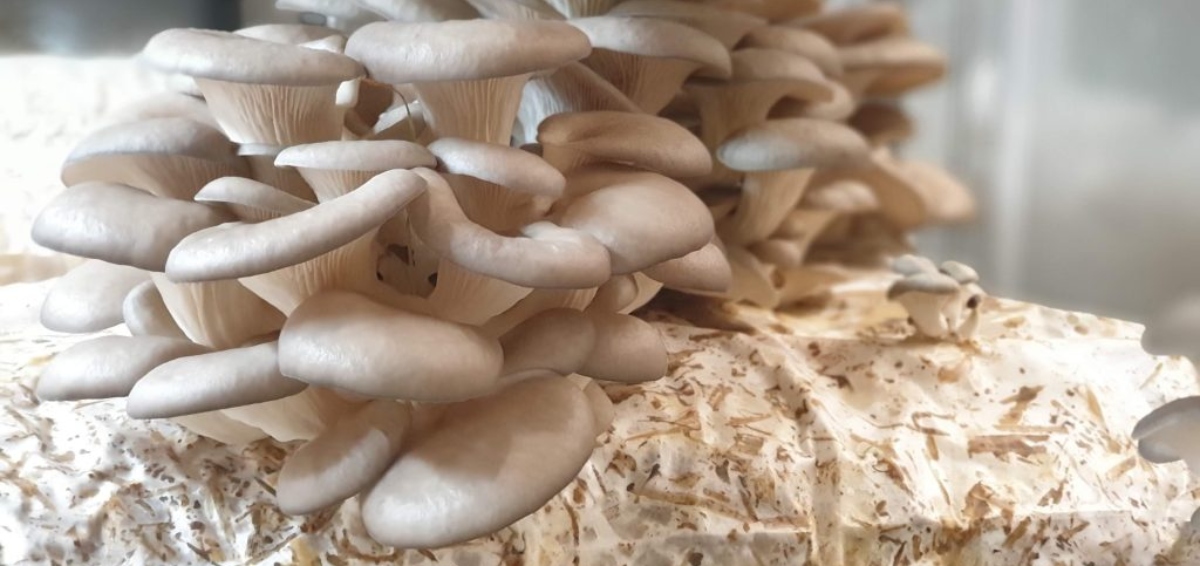
Soak the straw in water overnight to make sure it's thoroughly damp, discarding excess water. Mix the mushroom spawn with the damp straw and then pack into a polythene bag such as a bin liner. Seal and leave for six weeks in a damp, sheltered spot between 20-25ºC, such as near your compost heap. As the straw breaks down, the mushroom spawn will grow into it, colonising the straw. Mushrooms can be grown indoors or outdoors in prepared beds or boxes, or on hardwood logs outdoors.
Shiitake like the same growing environment as oysters, and you should receive wooden dowels with your kit, impregnated with the Shiitake mushroom mycelium. You can use the spore print as the building block to start growing your mushrooms. Keep the spore print in a sealed bag in the refrigerator until you are ready to use it. After a few days, you should see tiny white thread-looking growths (mycelium) start to form on top of your substrate. Use a heating pad to raise the soil temperature to around 70°F for about three weeks or until you see the mycelium (white, threadlike growths). Use a household thermometer placed at soil level to monitor soil temperature.
Mycelium plugs are a bit more expensive, but they are easier to work with and can be used to inoculate larger batches of the substrate. Liquid culture is the most expensive option, but it’s the easiest and fastest way to inoculate the substrate. When choosing a mushroom variety, it’s important to make sure that you have access to the necessary materials for cultivation.
When searching for spawn, seek out a reputable vendor who can provide high-quality spawn for your choice of variety, along with any information that you might need for cultivation. There are many edible and delicious mushrooms out there, with various flavors and nutritional or medicinal benefits. The term “mushroom” refers to the fruiting bodies of certain types of fungi. Like plants, fungi have eukaryotic cells enclosed in cell walls and are mostly incapable of physical movement, with growth and reproductive spread being their primary means of mobility.
Button mushrooms are the most common variety of mushrooms found in grocery stores and can also be easily grown at home. You can skip creating the rye grain mushroom spawn and add your cultures or spores directly to a bulk substrate. Most people don’t like to do this because they want to get the mycelium really strong and growing healthy before putting it into a larger substrate.


No comments:
Post a Comment